THE DIFFERENT WAYS THAT PEOPLE COMBAT NAZI OPRESSIONS
Authors: Maria Luisa Tessarolo, Luisa Assis, Renato Sandri & Gabriel Hamer
During the Second World War there were many people, not just Jews, involved in the resistance and the fight against fascism. Many inhabitants of different countries found ways to fight against the German Military. The population used religion, armed forces and the escape as a way of getting out of that tense situation. A tragedy was happening: German Forces were attacking all the countries and people were being killed. Books like Hero on a Bicycle by Shirley Hughes, Lilli’s Quest by Lila Perl, White Rose by Kip Wilson, and Blue by Joyce Moyer Hostetter, portray differently ways and strategies of how the Jews and other families that were against Nazi survived and fought for their freedom.
RESISTING THROUGH STRUGGLE AND RELIGIOSITY
In the book Hero on a bicycle, written by Shirley Hugheas, Paolo Criveli’s, a thirteen-year-old boy, lives with his family – that was against the Nazi Regime – in Florence, Italy and wants to be a hero and save people that were suffering with the war. On the other hand, he is just a kid and has to face many challenges to prove his capacity. During this period, Paolo, Rosemary and Constanza were living confined at home because the German Soldiers were all placed outside, waiting for some Jews to get in a trap and then take them to concentration camps or to Ghettos. Paolo, despite his age, wants to leave his mark in history and make a difference in the world, as his father Franco was doing. Paolo fought the fascist movement to honor his own country and his missing father.
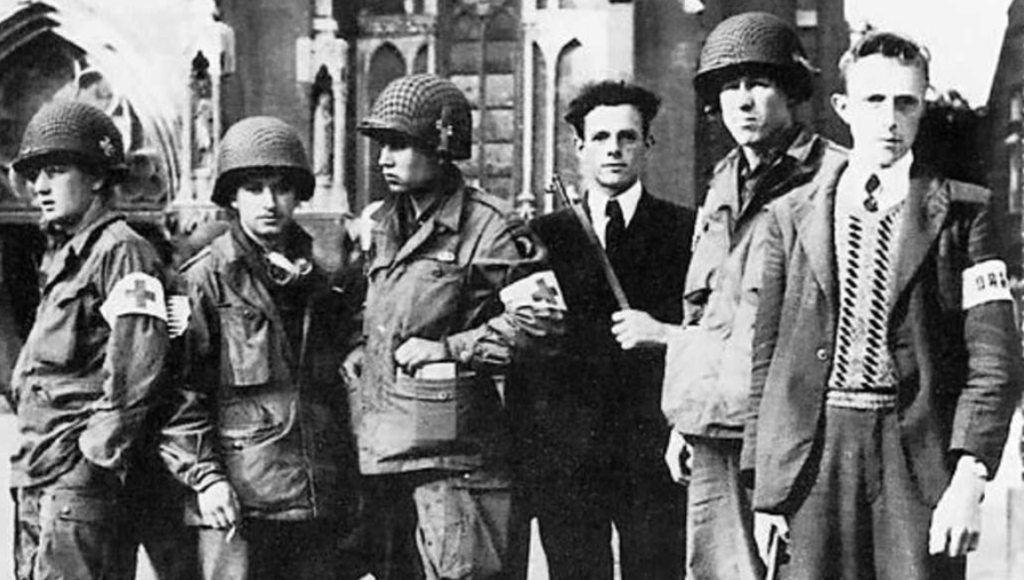
Paolo’s mother, Rosemary, was invited by “The Partisans” – a group that was composed of men who were kind of protectors and were helping the population in Italy – to be part of them and help in a task. This group really existed and their purpose was to help fugitives of concentration camps to come to a safe place. The term became known during the Second World War to refer to certain resistance movements to German domination, mainly in Eastern Europe. In the book, Rosemary’s task was to hide two guys in her house during the War. Joe and David were fugitives from the camps and the German military was looking for them everywhere. Rosemary was very afraid of accepting what “The Partisans” proposed to her because she could put her family at risk but they were able to convince her, saying that her husband, the one that she loved so much and was praying to come back home alive, probably would accept their proposal because he was brave and strong enough to challenge subjugation of Nazi. Later, another task appeared but Rosemary couldn’t do it. That was when Paolo saw an opportunity – a way to be a hero and save The Partisans.
The confidence and the sureness that Paolo had that he could save the Italian population and even the world during the narrative, made him able to fight against the Nazi forces and encourage people that were around him. The armed resistence was the most forceful form to oppose the Nazi at that time. Fighting for their own freedom and rights was a kind of resistance that the characters, especially Paolo, found to combat the Nazi oppressions in 1944. Paolo didn’t gather civilians and military to fight but he did a better thing: he used his bicycle as a “weapon” to combat the fascism in his community.
In the story, Rosemary was very religious, maybe because she had faith that the war would be done and everything would be okay. During the World War 2, the religiosity was a way for imprisoned Jews to respond to the Nazi brutality. The religion could represent that not everything was lost since they were doing something that was common for them before the war. The hope that Rosemary carried in her during the book is incredible. All through the situation that she and her family were facing, she still trusted the Italian Soldiers and their power to save the local community.
At the end of the story, Franco came back home alive and looking victorious for winning a big battle – On Italy, the civilians could battle the Germans and the Nazi left the place. The family could also see him again after a long time away. The Criveli’s, more specifically Franco, could see how a war actually works and the difficulties that Jewish kids, adults and families faced against the Nazi and their experience through the disaster. The kids made a grandiose effort to continue being kids even in bad circumstances and in poor conditions. In the book the author included some of the perspectives of Rosemary, They’ve already had to grow up far too quickly. They’ve faced hunger, danger, and death, yet there’s been so little time for the ordinary teenage pleasures and rebellions, let alone a proper education.” All the children that went to the concentration camps that time had to leave their childhood behind because in the Ghettos the education and the access for fun wasn’t a reality for them, unfortunately. It was not easy or bearable for them and for their parents, who felt guilty for what had happened, like Rosemary.
The lesson that readers might learn in Hero on a Bicycle is mostly related to the power and the hope that Paolo – a boy who wants to be a hero, save people and his own family from World War 2 – fosters throughout the story: independently of one’s age, one can always be a hero and save whoever one wants. His family supports and trusts that Paolo can do whatever he wants. Shirley Hughes wants to convey a message that familiar support is an important source of hope when one’s going through arduous situations.
RESISTING THROUGH PROTEST
In White Rose by Kip Wilson, Sophie Scholl was a 19-year-old girl who was against the Nazi Forces after she realized the bad things that Nazis did because they wanted people with Aryan traits. When Sophie was a child, she and her brother, Hans, went to Hitler Youth, where the Nazis would say things about Jews and people with disabilities being bad. They did that to children and teenagers, they said these things because they knew that these young people could serve in the army when they are older.
Years later, Sophie and Hans went to a university group and decided to spread pamphlets around Munich University. They glued it up before recess so when all the students left the classrooms they would see it. Only a university worker saw and denounced Sophie and Hans to the Gestapo, the police. In these pamphlets they were talking about everything the Nazis did wrong, for people to realize that the Nazis were not good people, and whoever was against the government at that time, died. When Sophie and Hans finished spreading the flyers they left the university, but the Gestapo already knew what they were doing. Hans and Sophie were caught and killed on the guillotine.
After Sophie and Hans were killed, the Gestapo searched and managed to find the other members of the White Rose group, however after a while, one of the pamphlets reached the British, and the British were one of the only places that was resisting Hitler. So the British printed thousands of pamphlets and flew over Germany in a war plane and dropped all the pamphlets from above.
The moment Sophie realized she was wanted, she tried to run away, and that was her and Hans’s form of resistance and her entire group, but unfortunately Sophie and her group were found and killed, but nowadays she is very respected , there is even a statue of her at the University of Munich. Sophie was considered a heroine, because she was one of the only women who had the courage to fight the Nazis.
In this book the readers can learn that Sophie is a very brave woman, and that she showed that women are capable of showing the world what is right and wrong, as she did, so she tried and managed to show the world that what the Nazis did was wrong, and in White Rose, the author use second person.
RESISTING THROUGH THE ESCAPE
In the book Lili’s Quest written bSy Lila Perl the main character, Lilli Frankfurter, is a 12 years old girl who lives with her family in Germany, but when her father, Josef, is taken to Gestapo Headquarters because of an unknown crime he commited. Because of this, a friend of Mutti that works as Hitler Police says that where they live now is no longer safe because now the Hitler Police know that they are Jews and where they live, so the family went to live with the Bayer family. Helga had the chance to leave the country and go to England, but Helga was a very stubborn girl, she said that she didn’t want to go to England, she wanted to stay in Germany fighting for the rights that the Jews lost.
In Lilli’s Quest written by Lila Perl, the way that Lilli’s family found to resist was hiding and running away, Lilli ran to England to find her uncle and aunt, but her family couldn’t go with her because she was the only one with passport and with a ticket, so her family stayed hoping that she would find her uncle and aunt, while she was there her family was running first to Amsterdam, Netherlands, where Hitler wanted to conquer next, after that they lost contact.
Lilli took the chance of going to England as Helga because she didn’t have the chance to get her passport so she used Helga’s passport, which means in England she was 12 years old and her name was Helga Frankfurter. There she had a very bad time because she thought she was guilty that her family was still in Germany. In England she stayed with Mr. and Mrs. Rathbone in the farm working there to help the family. After that, she stayed in a “hotel” working in the farm with 17 year old girls – at that time she was 14 years old. On a saturday there was a party where she met a boy named Roy who worked as a Hitler Youth against his will. Since then they became best friends, but when Lilli was 19 years old she moved to the U.S.A. to meet her uncle and aunt so her family, which she lost contact with, can go to the U.S.A.
Even though Lilli was safe, she didn’t feel good, she thought that she was betraying her family that was still hiding from Hitler, but Lilli was doing whatever she could do to help her family. Even after they lost contact, she always worried if they were alive or not and she missed them very much. One lesson that readers can learn in Lilli’s Quest is “Sometimes you do something without thinking, but maybe it was good doing it even if you regret it”.
In the book, the author uses a first person narrator because Lilli is the narrator. Lilli’s perspective of the world depends on where she is. It changes due the circumstances, for example in Germany, she sees that the government is corrupted because of the war and Hitler, but in England she sees that they are trying to help the Jews because they don’t agree with Jew aniquilation.
In the Second World War, Jews they needed to resist in different ways, so they wouldn’t die during the war. In this book Lilli’s Quest, Lilli’s family resist by running away from Hitler and Germany, but not from Europe, this form of resistance is called Ratlines.
RESISTING BY HIDING
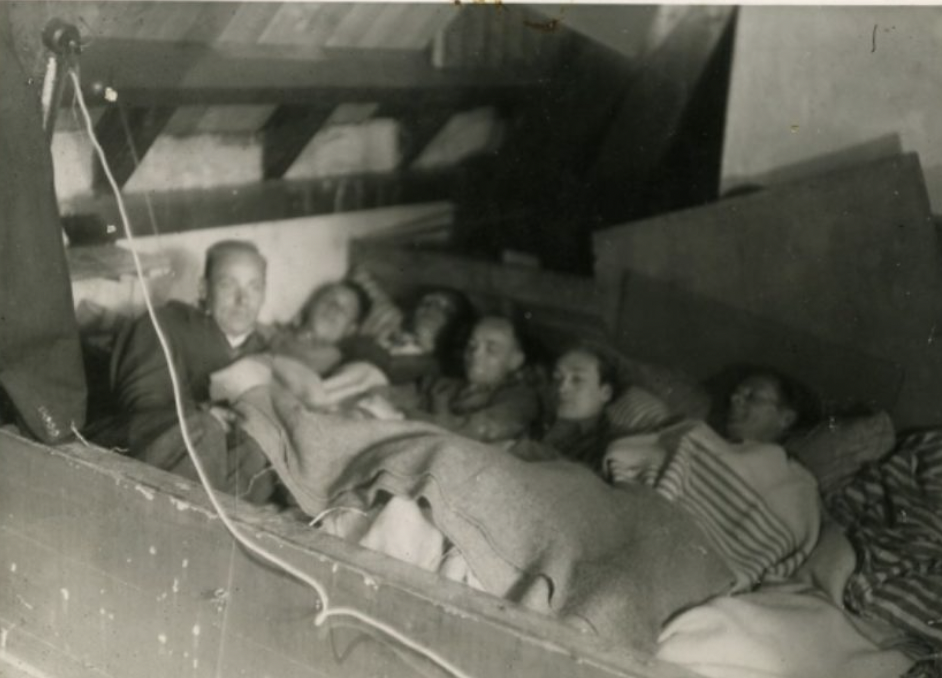
In the book Blue by Joyce Moyer Hostetter, Ann Fay’s family showed a lot of resistance, because they start being wanted by the Nazi, but they didn’t run away, they stay to fight and die for the World, Ann Fay discover a “big pandemic”, she was afraid, but stay stand up and never desist, to stay better of life and with mental health.
Ann Fay is a teenager that have a jewish family and she is too, her parents are resistance because they goes fight off Hitler and the Nazi, so Nazi people start going back they, but the family doesn’t desists to have a society and a world better. This happens when the father open the window of their house, but after sometime, the children and the mother tell he to close the window, and he don’t so the Nazi see them. Instead they run away, the family stay to fight Hitler, and try to be the “hero” of the jewish and of the world that isn’t in favor of Nazi.
When her father gets out of the house, the girl starts seeing the newspaper because she has nothing to do. She reads that her city is having an epidemic strike. Ann Fay reads each issue of the newspaper for the latest news of the epidemic. But soon she discovers for herself just how devastating polio can be, and this changes her life, because as her challenges grow, like the polio. In the tragedy, Ann Fay discovers her ability to don’t desist, have resistance and stay moving forward. She tries and explores a lot of things to stand up firm and strong. She finds her qualities of friendship and own faithfulness, to take care and love each other.
Before a polio vaccine became available, several polio epidemics had occurred between 1948 and 1955. Many people avoided crowds and public gatherings, such as fairs, sports games and swimming pools, during this time due to concern about getting polio. Some parents wouldn’t let their children play with new friends and regularly checked them for symptoms. In 1952 Dr. Jonas E. Salk and colleagues researched and developed a polio vaccine.
One of many lessons that all the readers can learn reading the book Blue is that all the time Ann Fay has a lot of problems, but she never desists and goes after your difficulties, to stay safe and fight, instead of running away. In this book the family of the children fight for anything for a better population and a better society.
In all those books, the resistance from the Germans that was against the fascist movement wasn’t mentioned but really happened during the Second World War. A small part of the German population didn’t agreed with the Hitler Regime so to resist the war, they opposed his ideas and his rules and also attempted to assassinate Hitler countless times. Throughout the war, the resistance of all types of people – Jews, families at risk, soldiers or even Germans – was very important to combat the catastrophe that they were experiencing. The resistance that happened during World War 2 is called “Underground” or “Underground Activities.” This resistance was a way of opposing Nazi rule that was spreading more and more through the countries of the whole world. Around 40 million civilians died trying to fight and honor their own country from 1939 to 1945. They left behind their families, their work for just one reason: save their nation, the population and themselves.