Authors: Miguel Rosa, Laila Deps, Isabella Tristão e Davi Aguiar


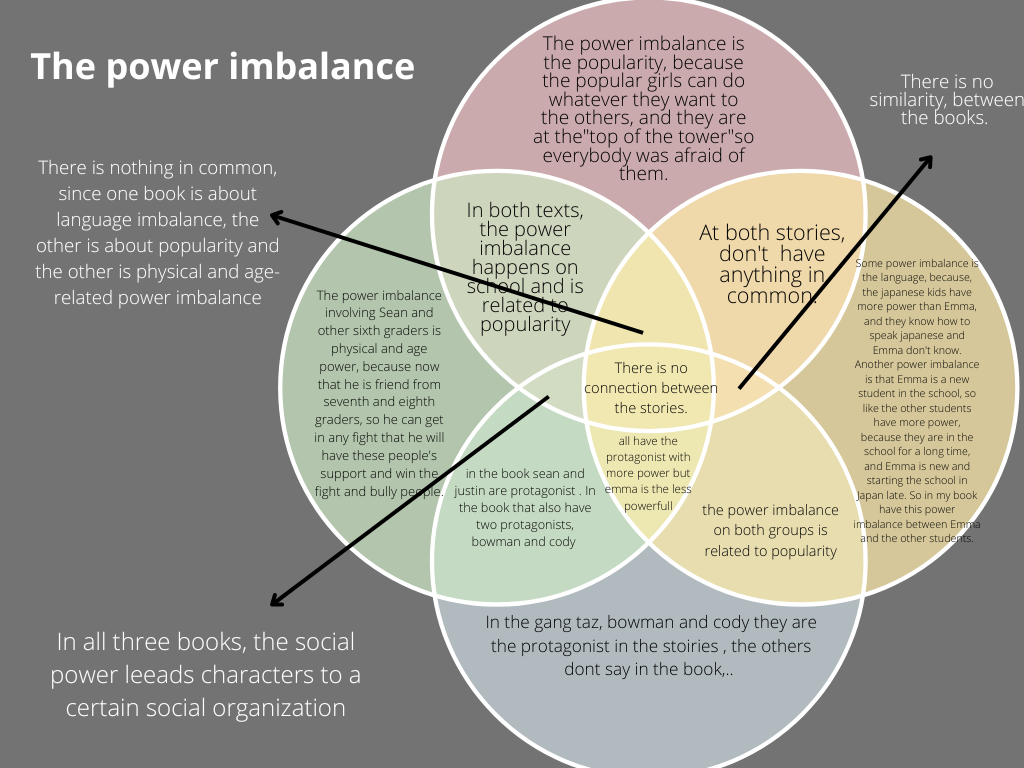
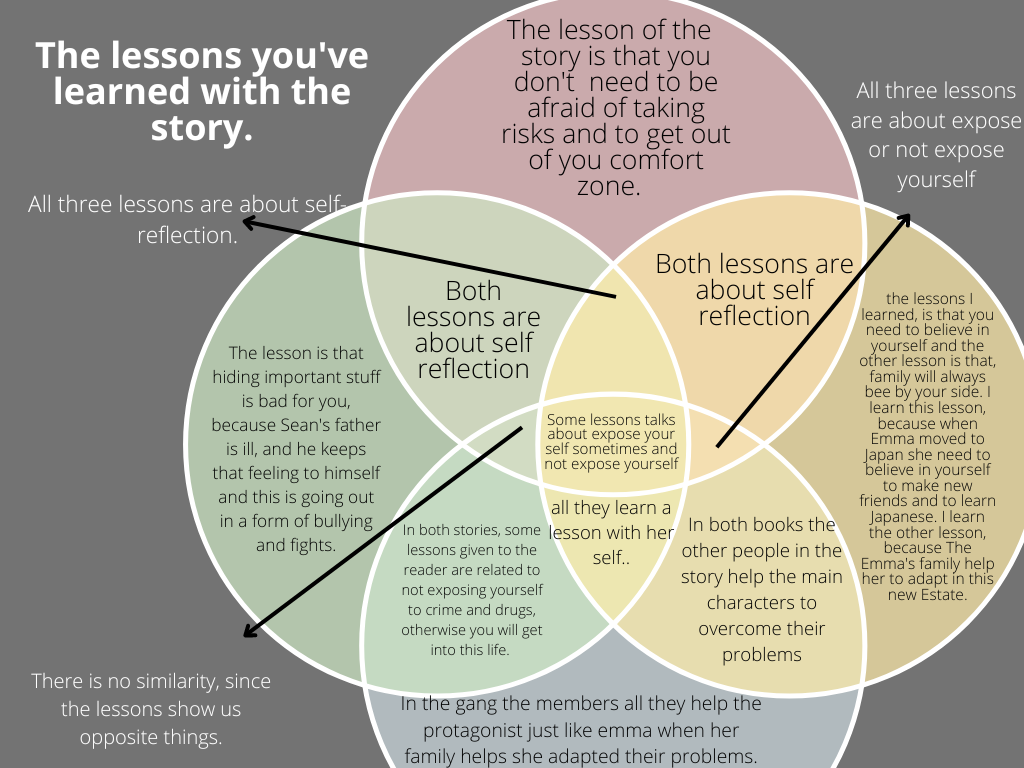
Authors: Miguel Rosa, Laila Deps, Isabella Tristão e Davi Aguiar
Historical fiction books about Latin America show that civil wars have a large impact on the life of teenagers or children.
Authors: Valentina Boechat, Guilherme Pianna, Julia Romero, and Adam Bourguignon.
Civil war in Latin America is one of the things that has most affected the local population. Civil war are violent conflicts between groups within a single country, for example the civil war in Cuba around 1961 when the government of United States was trying to overthrow the government of Fidel Castro, but the attempt failed, this event has been called “Bay of Pigs Invasion”, have another example in Cuba but it was around1950’s there was poverty and crime all around because the economy were unstable, so the country was unsafe, them the military gets in power because they organize coup d’etat in the government, them this began the cuban revolution. Another one is the civil war in Guatemala around 1981 when the communists are been in the country and the soldiers kill everyone searching for then, so the government send the soldiers to destroy villages searching for guerillas and communists, resulting on many kills in the country, this event get so many dies that in the story this event is called ”La massacre de los erres”. Another civil war was from 1920 in Mexico, in this civil war the Mexican revolution happened, that was an extended sequence of armed regional conflicts in Mexico, this conflict has been called “The defining event of modern Mexican history”, this conflict received this name because the main objective was to try to transform the Mexican culture and government. The civil war affected a lot the life of the population in Latin America, people needed to emigrate to other countries, people turned brigadistas to help others to read and write, people get together with a guerilla to protect their village and friends, or sometimes people, begin depending on tourism .
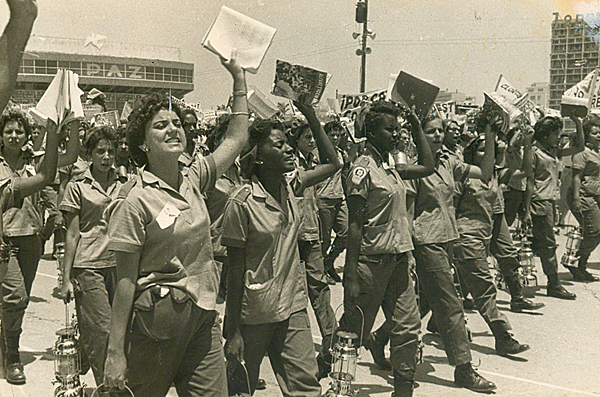
The book My Brigadista Year, by Katherine Paterson, is set in Cuba, 1961. Lora the main character lives in Havana, the capital of Cuba. The month is March and one day she sees a poster at her school of the government calling the students who can read and write to teach citizens who don’t know how. This movement start because after the Cuban revolution the literacy was low in that place, and it can cause poorer employment opportunities and outcomes and lower income. Lora, who is a brave and courageous girl wants to, despite her parents’ reluctance they accept, but the mother sets a condition: “Lora, do you truly promise me to come home if it proves too hard?” she says, and the girl agrees. Around 268,000 Cubans worked in this campaign.
In April 1961 the “Varadero Training Camp ” start, when Lora is traveling to the mountains to learn how she will teach the others. Lora went in a bus to Varadero Beach with all of the people who had been allowed from her school. When Lora arrived there was a warm April morning, and at the skyline, where the sea met the bright blue of the spring sky, the water was a dark almost purplish blue. Was hard for the girl to believe that that place that once had been a playground for the wealthy is now a place where ordinary youngsters will be training to turn brigadistas. On the Veadero camp Lora met Marissa, a wise and kind teacher of the training camp, that advised Lora a lot, and the most important advise for Lora was “Be tall and smile”.
On April 15th a cloudy day in the same week that Lora arrived at the training camp a disastrous news came, three of Cuba airfields had been attacked by planes of the United States of America with insignia painted on them to make it seem they were part of Cuba air force. Lora can’t understand why a powerful country like the United States decided to fight with a little country if it’s compared with Cuba. And Marissa explained that it happened because they were afraid of communism. According to the John F. Kennedy site the United States’s goal was the overthrow of Fideal Castro and the establishment of a non-communist government friendly to the U.S.A. But before that day was over Lora’s papi arrived to demand Lora to return home. But the girl said that wouldn’t, because now she is part of the Conrado Benítez Brigade. And the papi reminds her of the promise she has made, that if it proves too hard she will come home. But Lora says “But it’s not bad at all here, and certainly not too hard. I am learning how to be a teacher. My country needs me.” Papi almost whispering says that they need her to be safe at home, and they lost her uncle Roberto for the revolution, so they can’t lose her. Lora was almost crying and she was trembling inside, but she remembered to stand up and tall to show him she is determined, the tip that Marissa had told her. Lora convinced him that she needed to stay there, but inside she was sad, because it was the first time she disobeyed her papi. But wasn’t just Lora that stayed there, the most part of the brigadistas also didn’t give up, and continued their long journey that have last around one year.
In 20th of April when the war is over, with the victory of Cuba. Days later Lora is going to meet her new family, the children she will teach , they are Rafael, Emilia and Isabel. On this day Lora started to be nervous because she is too young, don’t know how to speak as a person much less as a teacher and the people she would be living with seemed so timid around her. The first class was to teach them how to write their names. And further on, they went deeper into how to read, for example.
The war finished but the place where Lora is living is also home to vicious bandidos who oppose the communist revolutionaries and will stop at nothing, even murder, to sabotage their plans. So it is dangerous. But Lora is a brave and courageous girl, so she doesn’t give up, she persists in what she wants, turn her country a place where all can have rights, and in this case the right of education, that until 1961 a lot of people didn’t have in Cuba.
In November-December 1961 the work was done and Lora with her brigadistas friends were very happy and around 707,000 Cubans became literate by December, and the brigadistas were the most responsible for that. The war and its consequences change Lora’s life a lot, for a long time she didn’t see her parents and brothers, she faced a lot of difficulties with the communists on the mountains, her life was definitely different from how it was, she had a very important responsibilities in her life that changed all of her country to turn a better place. And as hard times it was she didn’t give up.
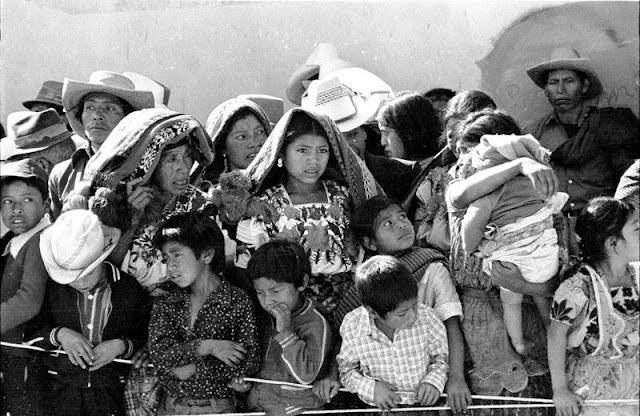
The book Caminar, by Skila Brown, the major character is Carlos and he lives on Guatemala, he was just a “kid” afraid of everything ,but one day he says “it’s time to become a man” he want to become a man, help his village with works, protect his friends and family and battle, but him mother say no, she says its not the right time for this. The government send soldiers to destroy villages searching for communists and rebels guerillas, so Carlos’s mama asked him to run on the direction of forest if a trouble is close, so a trouble appears and he runs and hide, runs and hide, and to sleep, he climb in the trees and hide in the middle of the leeds.
Many times he heard the soldiers on a patrol searching for him and the communists, he was so afraid that him body shakes when he heard a voice this happened too much in the war when the soldiers are on the forest. After a while hiding he hear voices and close him eyes and shrunk himself into the bushes, but he felt a cold thing in him back of head and think thats probably a gun ,him body shakes like crazy, there Carlos notice that he is not really prepared for war, many things pass out on his head, things like “If mama is waiting me to go back home?,if I die here?, what will happen with my friends and family.” But he hear a woman voice “is just a kid” the gun is taken of him head then he notice that there are a group of communists, then he start to walk with them showing that didn’t have a good side, both has different sides, then he starts know them and this change him opinion about the communists, there he know Paco, Miguel and Hector, Carlos is helpless there he only have a stick on him hand, and the communists has many war equipments and guns.
Later, they arrived on a place that they can sleep and camp, so Miguel makes fire and they start to bake a dead animal, Miguel asked Carlos where he is going and Carlos said he was going to patriarchal, him abuela village, After he said that Carlos asked where they come from, Paco answer they are in a mission to get volunteers to train in the camp, Carlos asked how many did they get, Miguel says that was nobody left to get, that has a massacre on a nearby village, a village that they was a few days before, so many of the people fled when they heard the news, Carlos heart start to beat faster than a train, him fingers was shaking he asked “a m-massacre”, paco shook him head and say that they are too late to save the people on the village and kill some soldiers, Carlos notice that they didn’t are scared about the soldiers, he say that they burn the houses, destroy the fields and kill the people, they say too and that only have a large pile of dead body, Carlos asked “where? where? please tell me where!” Miguel look seriously right to Carlos and only said ”Chopán”, and in the real event the destroyed village was plan de Sanchez.
And this messed with him head Carlos never stay afraid like that, him personality changes completely, him face stay with no reaction and the rebels stay talking but Carlos are too traumatized that he can’t hear them, and he is only saying in him head ”kill soldiers, kill soldiers” and was thinking that it is impossible that this happen, and that him family is good, they run. Carlos a gentle guy that only wants to protect him family and friends now its a guy only with revenge in him heart, but he are trying to forget this and think the best because him family combines to sleep in the forest so he thinks they are alive, but him loved village, now are destroyed. The author uses dialogues to represent more the feelings of the characters, and the book pass one message that are “do not run of your problems” like face then do not stay scared and battle, only with this you can get what you want, in the book we follow a character that was in the war, but in the end of the book shows in the future, the character with him daughter seeing the die people on the names memory rock.
The book Breaking Through, by Francisco Jimenez a Mexican-American writer, talks about the life of a boy called Francisco and his family that, because of the Mexican Revolution, needed to run away from Mexico in 1920, and go to the United States illegally this mean that they needed to be very careful to not be found by the government. For Francisco’s family this worked for some years, but one day when Francisco was in the school the government finally found out that he and his family were in the country illegally, and this meant that they were forced to return to Mexico as soon as possible. After they came back to Mexico, Francisco’s family started to look for ways to go to the United States, now legally. After some days they finally found a way to get the necessary documents, but they needed a little help from a friend that lives in the United States, whose name was Tito. Despite being a very cold person that doesn’t demonstrate a lot of their feelings, Francisco admires him a lot, for some reason.
Now that Francisco and his family are back in United States, Francisco, Roberto ( Francisco’s brother), and his dad are working for Tito in a crop production. Francisco is only 16 years old and he still needs to go to school, but because of his work he will need to miss two to three months it year to help his father in the work. Francisco hates this idea, because in Mexico he didn’t have school to go, when he came to United States and his parents said to him that he would be able to go to a school, he get very happy and anxious, and when he went to the school for the first time in United States he loved, even with all his difficulties because he didn’t know nothing of English, he was very happy to finally have a school to study. One thing that make Francisco loves more the school then most of the kids is the fact of his dream be becoming a teacher when he grows up, the only problem is that he don’t have a lot of support from his parents, for example all the time that Francisco talks about his dream with his dad, his dad do actually the opposite of encouraging him, he always say to Francisco ” Be a teacher is a profession for rich people only.”, even though with all this negativity Francisco continues with his dream of being a teacher. Now you may be thinking that Francisco’s dad is horrible person, actually he is not, he use to be a very happy person that care about the others, but because of some problems that happened in the crop production, he is getting tired of his work, he is getting stressed, and now he is taking it out all the things he is feeling in Francisco and in the rest of the family.
Another problem that Francisco is facing now is that in the school he suffers a lot of bullying because he was not doing very well in most of the subjects because he didn’t know english a lot, and he is also suffering bullying because he is poor. With all this problems in Francisco’s live you might be thinking that he is sad, maybe angry, or even thinking that the life is unfair, but he is not actually he is happy because he know that have kids that in Mexico for example, that doesn’t have access to school, and he know that because some years ago he was in the same situation, and I think that this is the lesson from my book always be Thankful for your life, for your family, for your friends and every thing that makes your life better.
According to the site global voices, it is possible to see how the life of immigrants is difficult, many of them just like Francisco needed to live hiding from the govermnent without having access to the basic rights. A real example of this is a woman called Rosa María that came from Mexico to the USA. Her dream was to someday be able to bring her family to the USA too, but until today Rosa María was not able to have access to the necessary documents, she only had access to her documents. Now Rosa María is working hard to have enough money to visit her children. In the year of 2017 some research points that 65% of the people without registration are Mexican, in the USA, this happened because just like Francisco they are there illegally. Probably some things got a little better through the years but, until many families are facing many problems in this process of emigration.
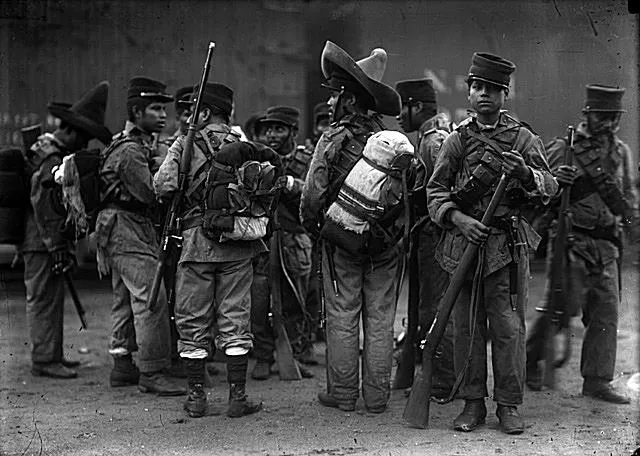
The book The Wild Book, by Margarita Engle, is written about the beginning of the Cuban Revolution in the 1950’s and portrays the difficult historical period in Cuba. Accordingly to the book and some research I made was poverty and crime all around because the economy was unstable, so it was unsafe. Then the military gets in power because they organize a coup d’etat in the government. This began the Cuban revolution and people were suffering because they were beginning to depend on the tourism of American people that go there because of freedom. But there were seasons where Americans didn’t travel so the population suffered without money.
In the countryside in Cuba 41.7% in 1961 people didn’t know how to read or write and this includes Fefa the major character.
One of the main causes that lead people to illiteracy is lack of motivation. Lack of structure on the part of schools, science laboratories, library, sports courts, cafeteria, extracurricular disciplines such as basketball and tennis also generate this lack of motivation and much more. A good number of children do not have the encouragement they should have from parents who often do not graduate from school or do not follow the child’s development. The lack of books at home, the lack of stimulation of the importance of reading, difficult living conditions such as poverty, learning difficulties such as dyslexia, which Fefa the major character has (dyslexia).
Literacy often gives experience of poorer or lower income employment opportunities and outcomes. As a result, they ‘often’ face welfare dependency, low self-esteem and higher levels of crime. Furthermore, people with low literacy level have a limited ability to make important and faced decisions in everyday life, for example they struggle with tasks such as filling in questions and data, understanding government policies, reading medications or how to prefer nutrition labels and much more.
Literacy is the lack of knowledge of reading and writing.most of the time in underdeveloped countries because there are many factors that make people dont be interested in education.
What happened in Cuba.In 1961, the National Literacy Campaign began, which covered the entire country of Cuba and reached remote areas, especially rural ones. Data from the website of the Embassy of Cuba in Brazil indicate that, in 1958, 23.6% of the Cuban population was illiterate. In the countryside, the illiteracy rate was 41.7%. In December 1961, at the end of the first year of the campaign, the illiteracy rate in the country had dropped to 3.9%. After the eradication of illiteracy, a process of gradual universalization of education began.
However, in many countries it is already quite different, such as India, which leads the ranking with a tide of 287 million illiterates.
Today, unlike in the past, Cuba has the lowest illiteracy rate in the world, reaching 0.2 percent of the population, which today corresponds to around 22,000 people.
Everyone by law has the right to be literate. Without literacy, people lose many advantages, access, simple or everyday things that everyone should have, people who do not have this cannot fill in a simple form, they also lose advantages such as creating a good vocabulary, helping with expression and writing words correctly. This alone shows how it is a habit that exercises your mental capacities. In addition, it also encourages thinking about different subjects, absorbing new opinions, we can reflect, organize ideas and transmit them more clearly, which is essential at work and in personal life, it is also a form of self-knowledge through exploration, understanding and expression of our ways of thinking and feeling, literacy is very important for intellectual development, because through reading and writing, human beings are always able to learn much more from what they are taught.
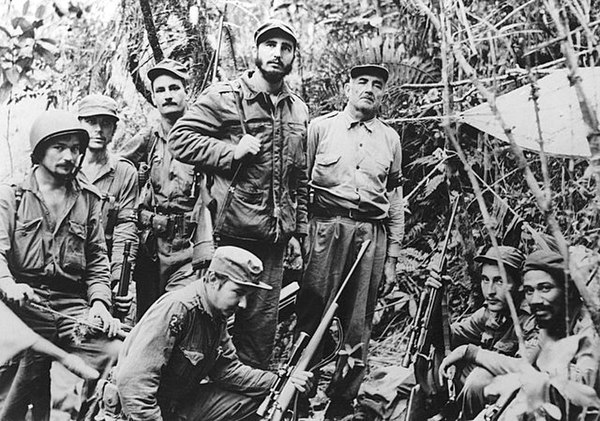
Now with all this information it’s understood how the Latin-American population was affected by civil wars.
For example in the book My Brigadista Year, by Katherine Paterson, that is set in Cuba, 1961. The main character, Lora, because of the civil war and the low of literacy in her country she joined a group of brigadistas to teach the citizens who don’t know how to read and write. These new stage change her life a lot. Now she travels around her country without her parents, grandma, and brothers, to teach people that she doesn’t know who is. But Lora did all of these because she is a brave girl, who wants to change the world for the better.
Another example is the book Breaking Through, by Francisco Jimenez, that the main character Francisco and his family, that because of the civil war, he needed to immigrate to United States illegally, and live for some years hiding from the government, and even when he get the documents to stay at United states legally, he needed to face many problems like for example needing to work with 14 until 16 years in a crop production to help there family, suffering prejudice for being Latin-American, and for being poor, and the most unexpectable thing of the book is that even with all those problems Francisco continues being thankful for his life, because he knows that if he were in Mexico, probably his life would be worst, so he prefers to be thankful for what he have.
Also an example is in the The Wild Book, by Margarita Engle, that portraits about the story of a girl who don’t know how to read or write in the beginning of cuban revolution, where was poverty all around, crime and illiteracy but after, this get better and the levels of crime in Cuba get down and Cuba have the most low rate of illiteracy in the world, just with that we can see how cuba get better trough Fefa’s time (cuban revolution) until today.
Another example is the book Caminar. The Guatemala population suffer with the power of Efrain rios month, in real life they have a lot of lost, like persons, plantation and villages, and in the book Carlos lost him village and friends, recently, indigenous enter in justice to sued the ex-dictator, he was imprisoned 50 years for genocide and 30 years for mistreatment society while he was in power. He recently died on 2018 April 1, even though the Guatemalan population lost many and many things, this is a big win for them.
Women who revolutionized the era by seeding an evolution for gender roles in math and science
Authors: Valentina Belo, Ana Júlia Franco and Carlos D’Oliveira
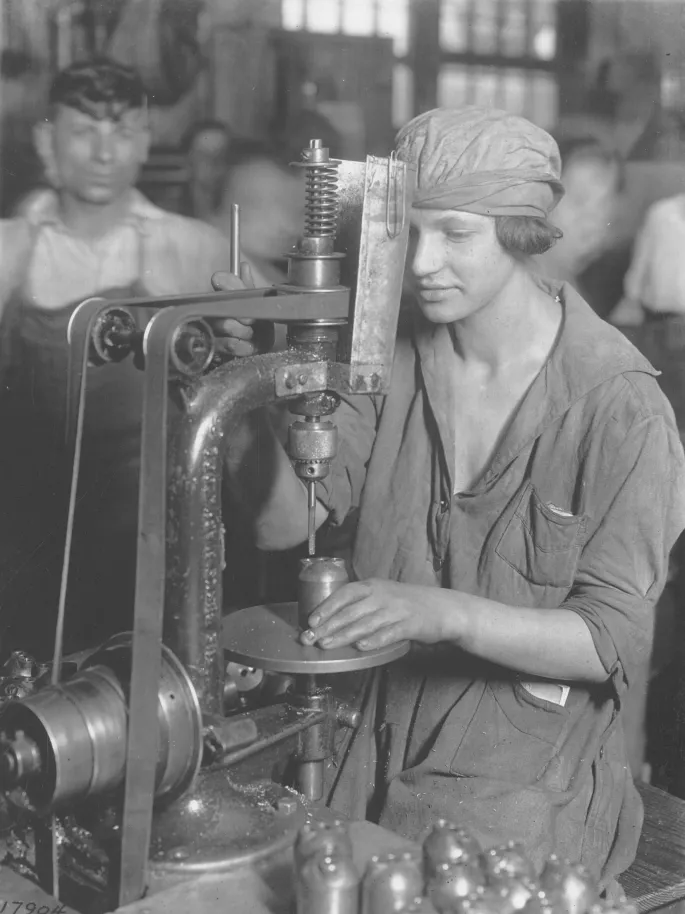
The 19th and 20th centuries saw good advances in educational and scientific opportunities for girls. In the 1800s, women helped to seed a revolution in gender roles by working under the sheets. For many, women “broke the rules” by doing that. Though, it is a right that women have been fighting to gain for too long.
Picture this: you are a little girl in a world where “people like you” – women – are denied education, the right to vote, the right to expression, the right to freedom, and they were expected to work at home, obeying their husbands and watching their freedom fly away from them. That is the life of many women in the 19th and 20th centuries. They had to work hard to demand their rights: education, voting, freedom, working at what they wanted… These women were stubborn, dedicated and courageous to do what they wanted to do, and not what they were expected to do. Everyone can relate to what it’s like to have a dream and deal with those who might stand in our way. In the end, it was not only about some people getting in the women’s way while others encouraged them, but about overcoming barriers imposed by society.
Grasping Mysteries: Girls Who Loved Math by Jeannine Atkins is a collection of seven stories of many courageous women in science and math and how they revolutionized history. Special attention to Caroline Herschel’s story, that is set around 1820 when women were still battling for their rights. Caroline ends up being the first woman to discover a comet and earn a salary for scientific research.
In The Skylarks War by Hilary McKay, we are introduced to Clarissa and her older brother Peter, who faced the conflict of The First World War since her cousin is in it. She writes letters to her cousin Rupert, who is in France, to support him. Concurrently, women began to be useful in men’s eyes because of the war doing things like nursing, patrolling or planting and more. Plus, she needed to comfort her brother Peter who had issues with her father.
In Ellen Klages’ story White Sands, Red Menace, the book may have this name because Mr.Gordon works in the missile range base called white sands. Suze Gordon’s parents are the scientists that helped to make the atomic bomb that ends the Second World War, even though Mrs. Gordon is in the movement against the atomic bomb, he helped to build, but he is afraid of what that it can cause. And where does an adopted girl that likes physics and math fit in this period? Nowhere. People like her need lots of dedication and perseverance because this world won’t make it easy for them.
Female, strong, and smart
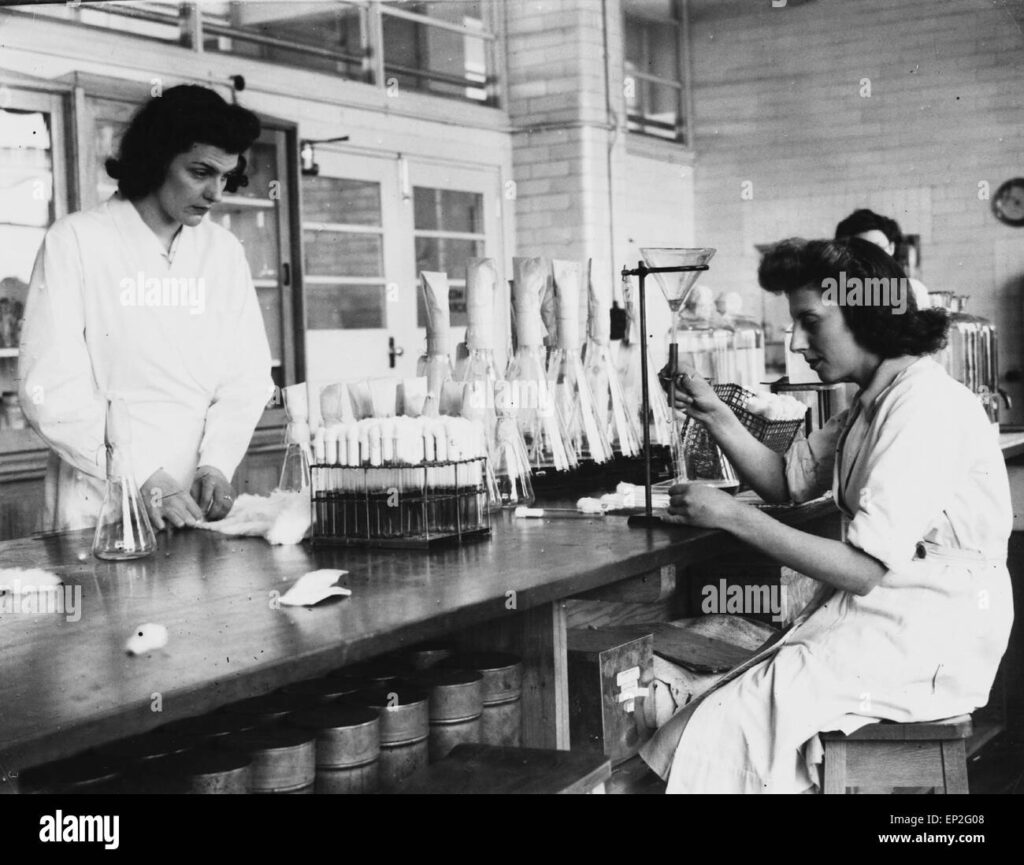
Many women used math and science to cause extensive social change. Herschel was the first woman to spot a comet and receive a salary for it; Florence Nightingale reformed hospitals working as a nurse in the 1st World War and making several charts comparing death rates; Hertha Marks Ayrton was the first woman engineer; Marie Tharp strongly helped to create a map of the whole ocean floor; Katherine Jonhson worked at many NASA projects; Vera Rubin found evidence for the theory of dark matter. Amongst many other women, they found a way to restructure their era for gender roles. These women didn’t go with the crowd. These women used math, science and everything in their reach to conquer what was theirs by right, that was taken from them just because they were born female, and, consequently, this fight for equality and freedom improved the world we know today – which still must see a lot of change.
In our reality, women were denied the freedom to express themselves. There was no option, they had to stay home and watch after the households and take care of their houses. If they wanted to do something more, they would be treated like freaks. Some people got discontent with that and begged for a revolution; others, though, acted like that was normal, which is not. Imagine if it was the contrary. Imagine if men were denied education and their rights in general and lived in a world where only women would rule. Surely they wouldn’t like that. however, when it’s the contrary, “it’s something normal”. People of the century treated that like a normal thing that happens. Yet, it is not at all something normal. That’s why books like Grasping Mysteries were written, to argue that that’s not a typical, habitual, ordinary thing that happens and that this situation is not OK.
Female figures were expected to act like not having the rational skills to make a decision. Or they were meant to act like the standard type of women, staying at home taking care of the house or their children. They were expected to remain subservient to their husbands, who could work in diverse stuff, who could take charge of their rights, who didn’t have to work under the sheets just like many women in the century had to do to fight inequality.
Proving society wrong, women who stood up shook a whole concept that was implied by society. However, this concept isn’t as new as we thought. According to Gerda Lerner’s research in the early 1990s, gender inequality was already nearby in the second century BCE. She figured that valuing men over women isn’t something recent, but something exceedingly old, even before written records came to light. Men were over-represented in cave art, they were buried in an abundant amount in comparison to women and children, according to Lerner. That would mean that women and children didn’t get a formal burial just like men did. The archaeologists from the University of Seville, Marta Cintas-Peña and Leonardo García Sanjuán, agreed that this segregation and superiority of genders is something cultural, and not something biologically impaled. That is, this division of genders is something that our society inferred as common and we weren’t biologically born like that. Even though many people came up with a thesis for when, why and who actually started with this segregation of genders, we can only imagine the answers.
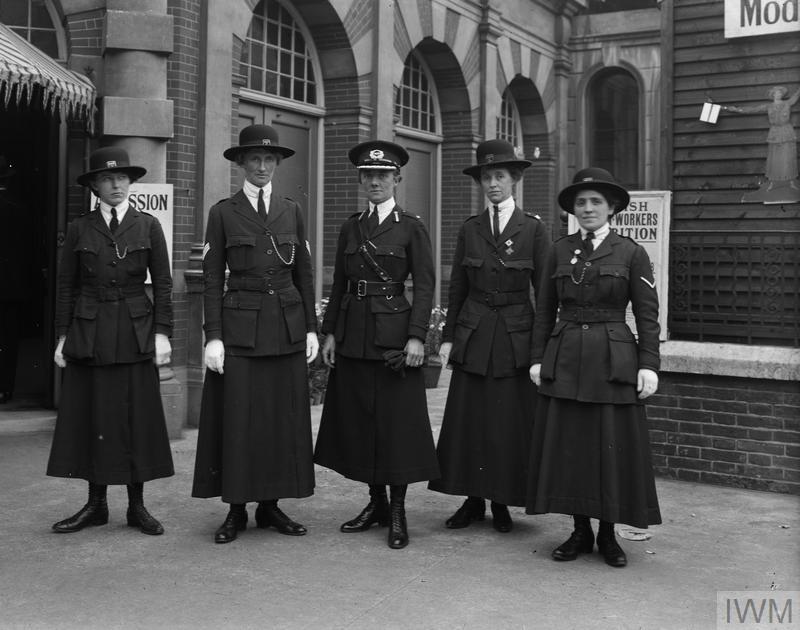
Confronting face-to-face gender inequality
Caroline Herschel was a stubborn and dedicated woman who proved society wrong. She’s a German girl who was discontent with the rules implied by society. She was denied education in her childhood and she has to battle with the 1820s society to be the first woman to discover a comet and the first woman to earn a salary for scientific research. She was denied education, denied working at the military band, since any woman can work in it, and, as the majority of women, she was told what to do and what not to do as a lady. She was always someone who envisioned the sky as a window of possibilities and she always imagined what was to be the first person to spot a comet. She worked “under the sheets” to get to know the sky closely. She had to hide from everyone while showing her passion for the sky. We are even given the terrific sentence in Grasping Mysteries, “Caroline became the first woman given a salary for scientific research. Shouldn’t bells ring, trumpets blare, and dancers twirl in the street? The world is quiet” (p. 35). It shows us that even though a big step into a world with less inequality is taken, the 1820s society is quiet, they’re silent. Society is not cheering for what they conquered, they’re not cheering for overcoming another barrier for its evolution, on the contrary, they’re inaudible, they’re still. This piece of evidence shows that the inequality existing in our society is still here. Caroline is speechless and stupefied with that, quite rightly.
Adding to that, people like Hershel don’t like to be held back, “Caroline doesn’t want to be beholden or go back to washing clothes.” (p. 34). That is due to the fact that all women did housework like washing and putting away dishes, sweeping the floor, doing the laundry, cooking… Nevertheless, Caroline didn’t want that. She wanted to satisfy her right of freedom, which society took from her in an unfair way since the right of expression, of freedom, of choosing freely an occupation and others are in many Constitutions such as the American and Indian one. “Congress shall make no law… abridging the freedom of speech,” according to the First Amendment from the U.S. Constitution. The bill of rights of the U.S. Constitution guarantees for people the right of personal autonomy. That is, a citizen can make decisions regarding his personal life, like choosing a job for example, and the government or any other can make its business. Because “all citizens have the right to freedom of speech and expression,” according to article 19 (1)(a) of The Indian Constitution. Sadly, people started to believe that only men had these rights. Maybe because men are more represented. Some use the argument that Jesus was a man. Some use the argument that Eve was the one who bit the apple and we wouldn’t be here, in a precarious world like this one, if it wasn’t for her. This is utterly senseless. According to a post named “10 REASONS MEN ARE BETTER THAN WOMEN” published by the Goodwin Smith, “men are much better in every way”. Also, it is used as an argument that men are better than women that “men can drive”, implying that women can’t. It is said “Men use their rear view mirror to check their surrounding; women use them to apply lipstick.” Men may think that’s only a joke, however, for women, it is their lives, their rights. Even though gender equality is written in almost every human rights treaty and we have made a lot of progress in comparison to centuries ago, many women still suffer from discrimination.
Now imagine another situation: you were a child born in the 19’s and you were raised to have the etiquette of a girlish posture that is needed to have. But suddenly when you grew up, women began to be more “useful” or more than just an “object” that men could purchase. You could fight as a nurse helping your state by healing injured soldiers. In the end, that was the scenario chosen for The Skylarks War where women didn’t have as much education as men did. Most times, women’s fate was to marry a man and care for the house and the children – because they had to have a child. It seems more that women were “objects,” which was apparently normal at that time. Clarissa growing up in the 20th century was a little hard because she was ahead of her time. But like most women in the 19th century they were to remain subservient to their father and husband, Clarry didn’t have much to do in the beginning. But as she got older, her voice began to get louder and louder, copering back then when she was just a child.
On the topic of getting louder, Dewey is a great example of that. Imagine that your parents and your best friend’s are the scientists that helped to build the atomic bomb that ends the war, and your dad dies in an accident in the laboratory, so the family of your best friend took you in. This is Dewey’s reality. Dewey has problems with a woman from her past, her biological mother. She was mocked many times in her life because one leg is longer than the other. That is because her mother dropped her when she was just a baby and her leg broke in three different places. The mother ran away in fear. Then, her father died in the war. Also, Dewey is a more homely woman that doesn’t have a good profession. but this story is different from what happened back then, Dewey doesn’t want to be one more in the crowd, she is different, she wants to do engineering courses. She was confronted many times because in this period women have many difficulties, in the curse she wants girls don’t have many spaces. Women in the US and in many parts of the world at that time they were like a mere object of procreation considered the property of men, to whom they owed obedience and subordination.
Prejudice in the 19th century
In the events of The Skylarks War, Clarry is in her grandparent’s house where she begins to face prejudice and self-esteem. As said before, women didn’t have as easy a life going as men did, in everything, women didn’t go much in school. They would stay at home and remain with their father and husband, which in this case it would be her absent father who rarely appeared at home. Clarry did face prejudice because she was a woman who simply wanted to swim in the lake with her brother Peter and her cousin Rupert and all that judgment because she was acting “manly” and independent. This is an example of how women were judged and how they need to act girly because a single act of a boy or an act of independence, women would be judged.
However, women in the First World War were quite revolutionary, because they had an important role as nurses, doctors and even ambulance drivers. if they weren’t on the battlefield as nurses, they would be at home working in agricultural positions in their gardens. Apart from that, there were some brave women who worked in an industrial workforce building bombs for the American army. Since women were treated as an “object” before the events of the war, it was quite a revolution for woman and humanity. Thanks to brave women like Lucretia Mott, Sussan B. Anthony, Alice Paul, Elisabeth Cady Stamon and many more, who were part of this evolution. These women were warriors fighting for equal rights, the right of voting like any human being should have. Clarry has a very loud voice and she says what she wants when confronting people.However she was also very caring for her cousin and family. However people would still have prejudice, but that’s why they fight for it. More than one hundred years ago, in the time of gas lamps and candlelight, women fought for their rights and even after hundred years, we still fight for them.
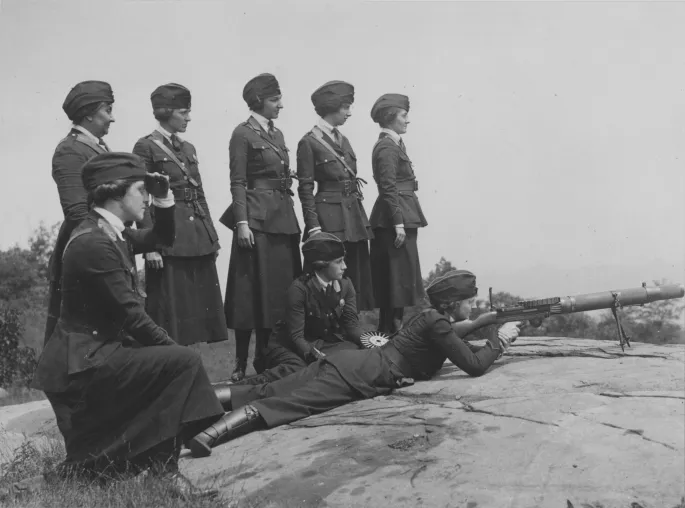
Fighting like a girl
Determination, dedication, fierceness, stubbornness, and hard-work are equivalent to any weapon men use. They are equally important. When Atkins writes in Grasping Mysteries, “It’s time I’m paid for my astronomical work. The king gives you a salary, William, I want one too,” (p.34) she highlights that even though Caroline Hershel knew that there were not many (or any) women in science, she wanted to earn money for her work just like any man in science. She was determined to get a salary like the male scientists. This piece is highly significant because it shows how women disagreed with the time. Women were unable to fulfill their rights. They had to fight for something that should have been theirs all along. It shouldn’t have been like this.
It should be noted that Sherry Suyu, astronomer and teacher at the Technical University of Munich, when interviewed by MPG (Max-Planck-Gesellschaft), said something very interesting about Hershel’s impact on the 1820s society. Suyu observed “[Hershel] encountered many obstacles on her path to becoming an accomplished astronomer, yet she persevered. She had quite a difficult childhood. As a child she suffered from smallpox, which left her scarred and later also from typhus, so her growth was stunted. In her family, she was expected to do household duties and remain within the domestic sphere.” That is, even with a tough childhood, encountering many disadvantages along the way, being told to run the household and what not to do as a lady, doing chores all day long like a maid in her own house, Caroline didn’t give up. This is a typical action of who knows what they want. She was restricted from many things like formal education during her childhood; nonetheless, she stood still and kept looking forward to what she wanted.
Adding to that, Atkins wrote on her site Jeannine Atkins, “I loved learning about the courage, friendships, and families of these girls who show how scientific goals move forward when people work together.” This is a reflection of everything she wants to pass on to her books. Readers can learn from Atkins and these stories that what may look small is truly grand. Even though these terrific women are smaller than men, or less physically strong or tall, it doesn’t mean they can’t do the same. They proved to us actually that they can do even better if they want to. They also showed that if you don’t stand up for yourself, no one will. You can’t just wait for a charming prince to come pick you up on a white horse and solve all of your problems. You have to solve it by yourself. When powerful women rise, it causes other powerful women to rise. And that’s how it works. When people work together, instead of waiting for a solution that you could have found by your own hands or separating women and men, scientific goals move forward, our world moves forward, and we shape a better future.
Learning about the past through stories
The books Grasping Mysteries, The Skylarks War and Red Menace, White Sands offer us a window to the past since they involve us not only in that period, but also into that whole society. These stories attest to education being one of the most important and valuable sources of knowledge and power a woman can have. We can understand the present by thinking about the past. These stories are a great portrayal from long ago because they help us see that inequality was a massive problem at those times and it is still present in our society, even though we have been able to decrease it plenty. In 1876 Hertha Marks Ayrton was one of three women and 118 men to be in an electrical engineering course. Nowadays, women represent 44% of STEM workers in The USA, according to the Society of Women Engineers. Reading the stories of so many tremendous women we could identify that solutions will always be around for those who seek it, if we can work as a community, respecting each other. In Gina Carey’s words, “A strong woman looks a challenge dead in the eye and gives it a wink.”
Gina Carey:
“A strong woman looks a challenge dead in the eye and gives it a wink.”
THE DIFFERENT WAYS THAT PEOPLE COMBAT NAZI OPRESSIONS
Authors: Maria Luisa Tessarolo, Luisa Assis, Renato Sandri & Gabriel Hamer
During the Second World War there were many people, not just Jews, involved in the resistance and the fight against fascism. Many inhabitants of different countries found ways to fight against the German Military. The population used religion, armed forces and the escape as a way of getting out of that tense situation. A tragedy was happening: German Forces were attacking all the countries and people were being killed. Books like Hero on a Bicycle by Shirley Hughes, Lilli’s Quest by Lila Perl, White Rose by Kip Wilson, and Blue by Joyce Moyer Hostetter, portray differently ways and strategies of how the Jews and other families that were against Nazi survived and fought for their freedom.
RESISTING THROUGH STRUGGLE AND RELIGIOSITY
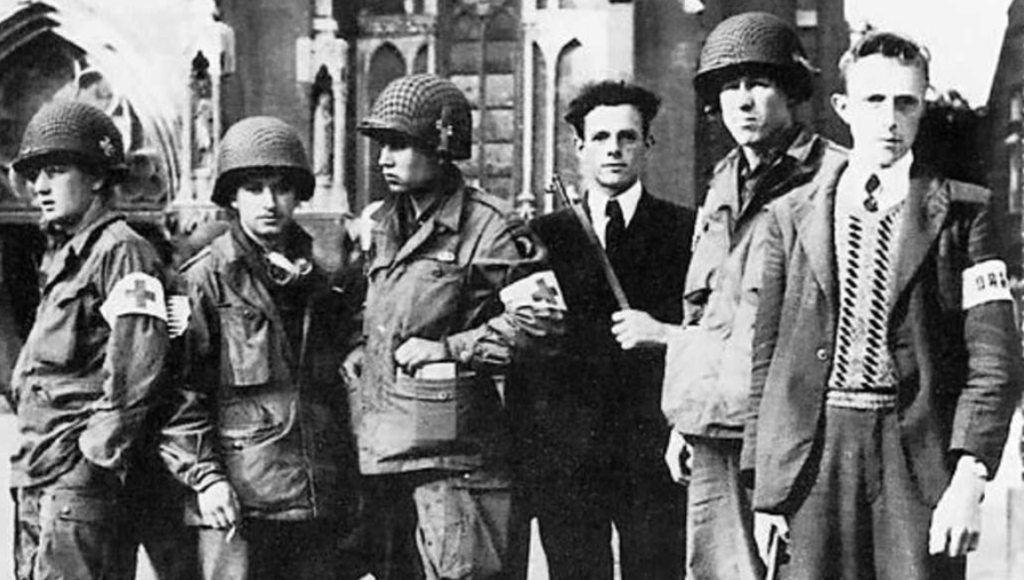
In the book Hero on a bicycle, written by Shirley Hugheas, Paolo Criveli’s, a thirteen-year-old boy, lives with his family – that was against the Nazi Regime – in Florence, Italy and wants to be a hero and save people that were suffering with the war. On the other hand, he is just a kid and has to face many challenges to prove his capacity. During this period, Paolo, Rosemary and Constanza were living confined at home because the German Soldiers were all placed outside, waiting for some Jews to get in a trap and then take them to concentration camps or to Ghettos. Paolo, despite his age, wants to leave his mark in history and make a difference in the world, as his father Franco was doing. Paolo fought the fascist movement to honor his own country and his missing father.
Paolo’s mother, Rosemary, was invited by “The Partisans” – a group that was composed of men who were kind of protectors and were helping the population in Italy – to be part of them and help in a task. This group really existed and their purpose was to help fugitives of concentration camps to come to a safe place. The term became known during the Second World War to refer to certain resistance movements to German domination, mainly in Eastern Europe. In the book, Rosemary’s task was to hide two guys in her house during the War. Joe and David were fugitives from the camps and the German military was looking for them everywhere. Rosemary was very afraid of accepting what “The Partisans” proposed to her because she could put her family at risk but they were able to convince her, saying that her husband, the one that she loved so much and was praying to come back home alive, probably would accept their proposal because he was brave and strong enough to challenge subjugation of Nazi. Later, another task appeared but Rosemary couldn’t do it. That was when Paolo saw an opportunity – a way to be a hero and save The Partisans.
The confidence and the sureness that Paolo had that he could save the Italian population and even the world during the narrative, made him able to fight against the Nazi forces and encourage people that were around him. The armed resistence was the most forceful form to oppose the Nazi at that time. Fighting for their own freedom and rights was a kind of resistance that the characters, especially Paolo, found to combat the Nazi oppressions in 1944. Paolo didn’t gather civilians and military to fight but he did a better thing: he used his bicycle as a “weapon” to combat the fascism in his community.
In the story, Rosemary was very religious, maybe because she had faith that the war would be done and everything would be okay. During the World War 2, the religiosity was a way for imprisoned Jews to respond to the Nazi brutality. The religion could represent that not everything was lost since they were doing something that was common for them before the war. The hope that Rosemary carried in her during the book is incredible. All through the situation that she and her family were facing, she still trusted the Italian Soldiers and their power to save the local community.
At the end of the story, Franco came back home alive and looking victorious for winning a big battle – On Italy, the civilians could battle the Germans and the Nazi left the place. The family could also see him again after a long time away. The Criveli’s, more specifically Franco, could see how a war actually works and the difficulties that Jewish kids, adults and families faced against the Nazi and their experience through the disaster. The kids made a grandiose effort to continue being kids even in bad circumstances and in poor conditions. In the book the author included some of the perspectives of Rosemary, They’ve already had to grow up far too quickly. They’ve faced hunger, danger, and death, yet there’s been so little time for the ordinary teenage pleasures and rebellions, let alone a proper education.” All the children that went to the concentration camps that time had to leave their childhood behind because in the Ghettos the education and the access for fun wasn’t a reality for them, unfortunately. It was not easy or bearable for them and for their parents, who felt guilty for what had happened, like Rosemary.
The lesson that readers might learn in Hero on a Bicycle is mostly related to the power and the hope that Paolo – a boy who wants to be a hero, save people and his own family from World War 2 – fosters throughout the story: independently of one’s age, one can always be a hero and save whoever one wants. His family supports and trusts that Paolo can do whatever he wants. Shirley Hughes wants to convey a message that familiar support is an important source of hope when one’s going through arduous situations.
RESISTING THROUGH PROTEST
In White Rose by Kip Wilson, Sophie Scholl was a 19-year-old girl who was against the Nazi Forces after she realized the bad things that Nazis did because they wanted people with Aryan traits. When Sophie was a child, she and her brother, Hans, went to Hitler Youth, where the Nazis would say things about Jews and people with disabilities being bad. They did that to children and teenagers, they said these things because they knew that these young people could serve in the army when they are older.
Years later, Sophie and Hans went to a university group and decided to spread pamphlets around Munich University. They glued it up before recess so when all the students left the classrooms they would see it. Only a university worker saw and denounced Sophie and Hans to the Gestapo, the police. In these pamphlets they were talking about everything the Nazis did wrong, for people to realize that the Nazis were not good people, and whoever was against the government at that time, died. When Sophie and Hans finished spreading the flyers they left the university, but the Gestapo already knew what they were doing. Hans and Sophie were caught and killed on the guillotine.
After Sophie and Hans were killed, the Gestapo searched and managed to find the other members of the White Rose group, however after a while, one of the pamphlets reached the British, and the British were one of the only places that was resisting Hitler. So the British printed thousands of pamphlets and flew over Germany in a war plane and dropped all the pamphlets from above.
The moment Sophie realized she was wanted, she tried to run away, and that was her and Hans’s form of resistance and her entire group, but unfortunately Sophie and her group were found and killed, but nowadays she is very respected , there is even a statue of her at the University of Munich. Sophie was considered a heroine, because she was one of the only women who had the courage to fight the Nazis.
In this book the readers can learn that Sophie is a very brave woman, and that she showed that women are capable of showing the world what is right and wrong, as she did, so she tried and managed to show the world that what the Nazis did was wrong, and in White Rose, the author use second person.
RESISTING THROUGH THE ESCAPE
In the book Lili’s Quest written bSy Lila Perl the main character, Lilli Frankfurter, is a 12 years old girl who lives with her family in Germany, but when her father, Josef, is taken to Gestapo Headquarters because of an unknown crime he commited. Because of this, a friend of Mutti that works as Hitler Police says that where they live now is no longer safe because now the Hitler Police know that they are Jews and where they live, so the family went to live with the Bayer family. Helga had the chance to leave the country and go to England, but Helga was a very stubborn girl, she said that she didn’t want to go to England, she wanted to stay in Germany fighting for the rights that the Jews lost.
In Lilli’s Quest written by Lila Perl, the way that Lilli’s family found to resist was hiding and running away, Lilli ran to England to find her uncle and aunt, but her family couldn’t go with her because she was the only one with passport and with a ticket, so her family stayed hoping that she would find her uncle and aunt, while she was there her family was running first to Amsterdam, Netherlands, where Hitler wanted to conquer next, after that they lost contact.
Lilli took the chance of going to England as Helga because she didn’t have the chance to get her passport so she used Helga’s passport, which means in England she was 12 years old and her name was Helga Frankfurter. There she had a very bad time because she thought she was guilty that her family was still in Germany. In England she stayed with Mr. and Mrs. Rathbone in the farm working there to help the family. After that, she stayed in a “hotel” working in the farm with 17 year old girls – at that time she was 14 years old. On a saturday there was a party where she met a boy named Roy who worked as a Hitler Youth against his will. Since then they became best friends, but when Lilli was 19 years old she moved to the U.S.A. to meet her uncle and aunt so her family, which she lost contact with, can go to the U.S.A.
Even though Lilli was safe, she didn’t feel good, she thought that she was betraying her family that was still hiding from Hitler, but Lilli was doing whatever she could do to help her family. Even after they lost contact, she always worried if they were alive or not and she missed them very much. One lesson that readers can learn in Lilli’s Quest is “Sometimes you do something without thinking, but maybe it was good doing it even if you regret it”.
In the book, the author uses a first person narrator because Lilli is the narrator. Lilli’s perspective of the world depends on where she is. It changes due the circumstances, for example in Germany, she sees that the government is corrupted because of the war and Hitler, but in England she sees that they are trying to help the Jews because they don’t agree with Jew aniquilation.
In the Second World War, Jews they needed to resist in different ways, so they wouldn’t die during the war. In this book Lilli’s Quest, Lilli’s family resist by running away from Hitler and Germany, but not from Europe, this form of resistance is called Ratlines.
RESISTING BY HIDING
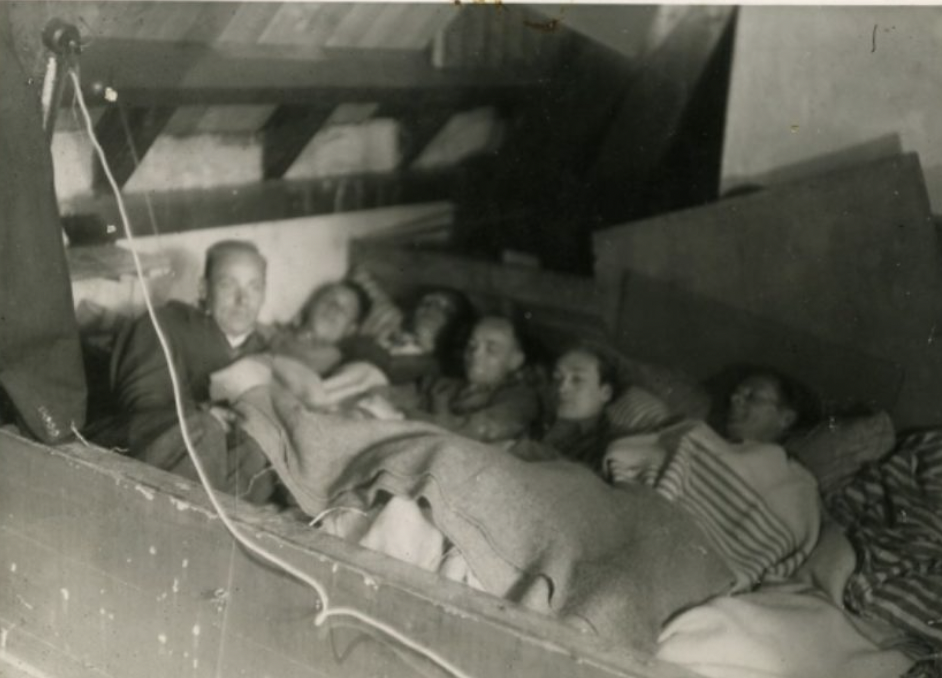
In the book Blue by Joyce Moyer Hostetter, Ann Fay’s family showed a lot of resistance, because they start being wanted by the Nazi, but they didn’t run away, they stay to fight and die for the World, Ann Fay discover a “big pandemic”, she was afraid, but stay stand up and never desist, to stay better of life and with mental health.
Ann Fay is a teenager that have a jewish family and she is too, her parents are resistance because they goes fight off Hitler and the Nazi, so Nazi people start going back they, but the family doesn’t desists to have a society and a world better. This happens when the father open the window of their house, but after sometime, the children and the mother tell he to close the window, and he don’t so the Nazi see them. Instead they run away, the family stay to fight Hitler, and try to be the “hero” of the jewish and of the world that isn’t in favor of Nazi.
When her father gets out of the house, the girl starts seeing the newspaper because she has nothing to do. She reads that her city is having an epidemic strike. Ann Fay reads each issue of the newspaper for the latest news of the epidemic. But soon she discovers for herself just how devastating polio can be, and this changes her life, because as her challenges grow, like the polio. In the tragedy, Ann Fay discovers her ability to don’t desist, have resistance and stay moving forward. She tries and explores a lot of things to stand up firm and strong. She finds her qualities of friendship and own faithfulness, to take care and love each other.
Before a polio vaccine became available, several polio epidemics had occurred between 1948 and 1955. Many people avoided crowds and public gatherings, such as fairs, sports games and swimming pools, during this time due to concern about getting polio. Some parents wouldn’t let their children play with new friends and regularly checked them for symptoms. In 1952 Dr. Jonas E. Salk and colleagues researched and developed a polio vaccine.
One of many lessons that all the readers can learn reading the book Blue is that all the time Ann Fay has a lot of problems, but she never desists and goes after your difficulties, to stay safe and fight, instead of running away. In this book the family of the children fight for anything for a better population and a better society.
In all those books, the resistance from the Germans that was against the fascist movement wasn’t mentioned but really happened during the Second World War. A small part of the German population didn’t agreed with the Hitler Regime so to resist the war, they opposed his ideas and his rules and also attempted to assassinate Hitler countless times. Throughout the war, the resistance of all types of people – Jews, families at risk, soldiers or even Germans – was very important to combat the catastrophe that they were experiencing. The resistance that happened during World War 2 is called “Underground” or “Underground Activities.” This resistance was a way of opposing Nazi rule that was spreading more and more through the countries of the whole world. Around 40 million civilians died trying to fight and honor their own country from 1939 to 1945. They left behind their families, their work for just one reason: save their nation, the population and themselves.